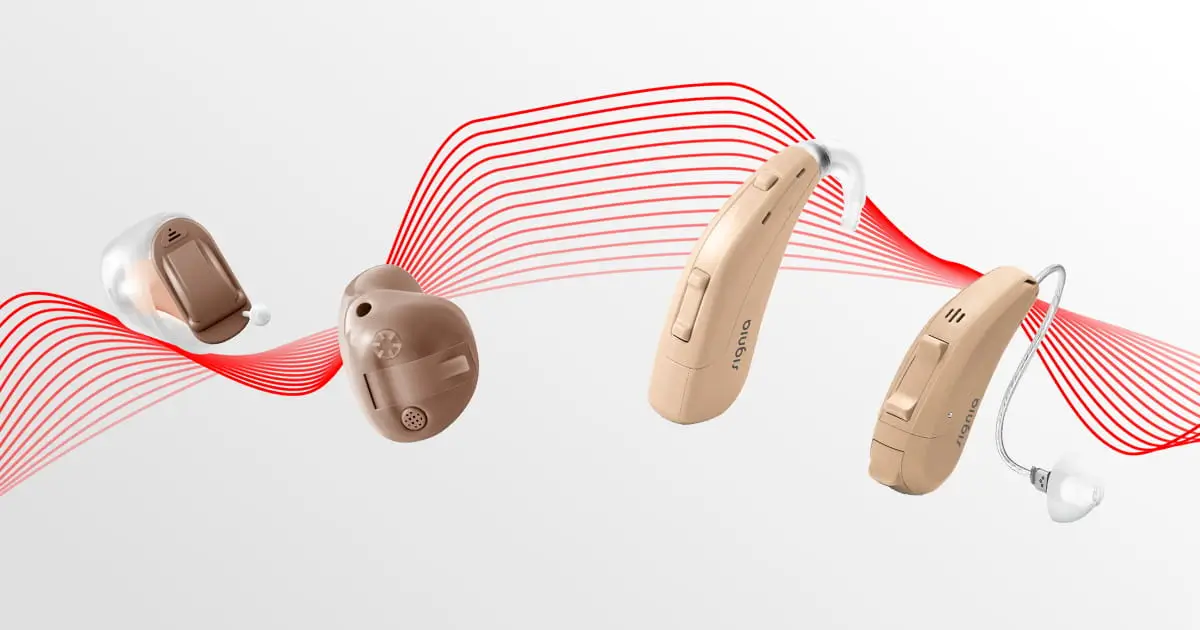
So you’ve started looking into hearing aids, either for yourself or maybe a parent, and honestly the whole market feels like a maze at first. Dozens of brands. Model numbers that mean absolutely nothing until someone sits down and explains them to you. And the prices — they jump from around Rs. 25,000 to over Rs. 150,000 for devices that, at a glance, look basically identical. Tiny, beige, sit-behind-the-ear things.
Let me explain this at the beginning. There is no “best” option that is equally suitable for everyone. However, when you talk to people who have bought these products, mention of some brands comes up again and again; and knowing what is special about these brands makes the decision process considerably easier and less stressful.
The Brands People Actually Recommend
Signia
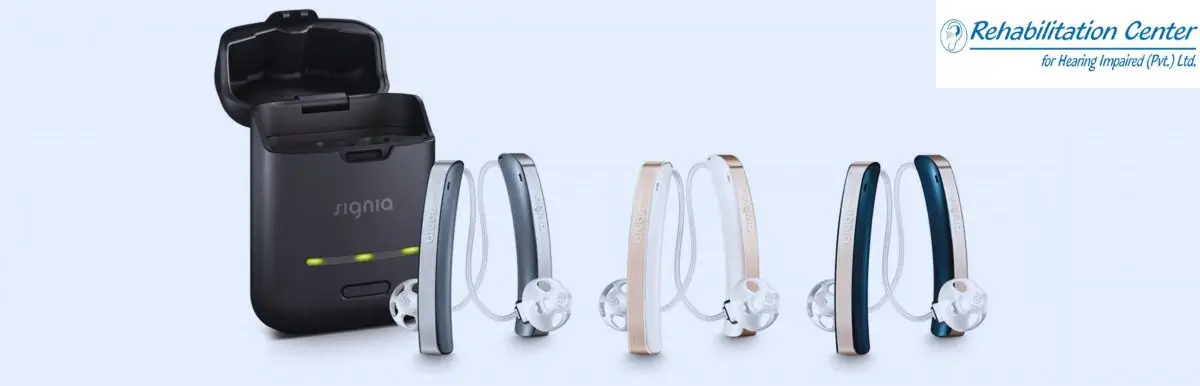
Signia tends to be the safest starting point for buyers in Pakistan. Not necessarily because it’s the “best” technically, but because the local support network is just so much more established here — parts, servicing, follow-up adjustments, all of that is easier to find. Price-wise there’s a real spread too: the Prompt SP/P sits at the budget end, around Rs. 35,000. Step up to the Intuos 3 SP and you’re looking at roughly Rs. 65,000. For more advanced needs — and this one gets recommended a lot for older users specifically — there’s the Motion 3Nx around Rs. 145,000. And if someone wants something nearly invisible, the Silk 1X runs about Rs. 85,000.
Phonak
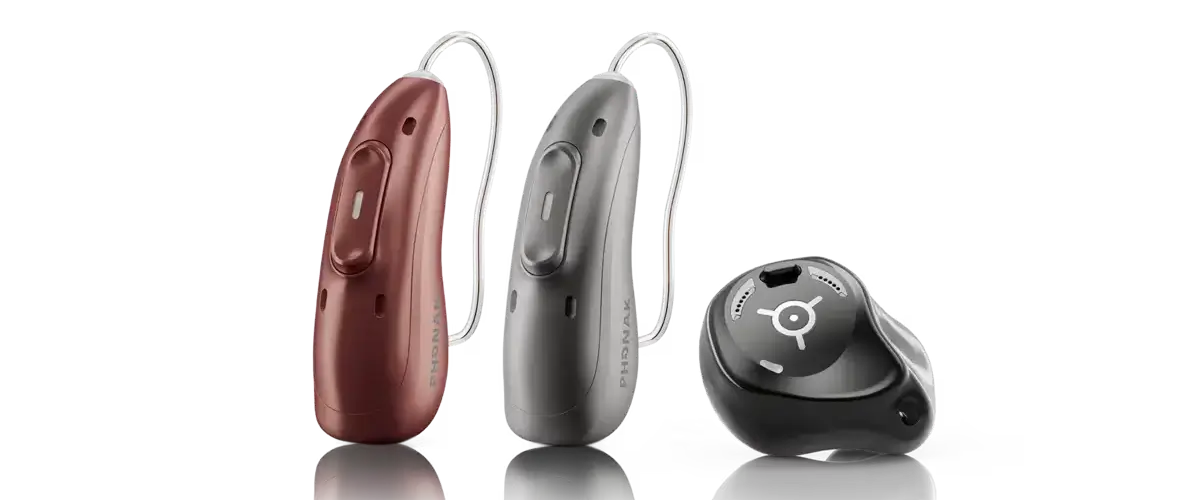
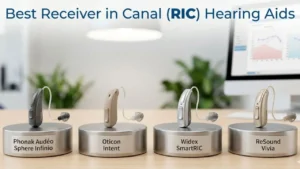
Phonak is Swiss, and it’s built its whole reputation on being tough. A lot of their models carry IP68 water resistance, which actually matters more than people think — if you sweat a lot, live somewhere humid (most of Pakistan, basically), or you’re just rough on electronics in general. The Naída and Audéo lines come up most often in conversations. Both stream Bluetooth well too, so calls and audio go straight from your phone to the device without any fuss.
Widex
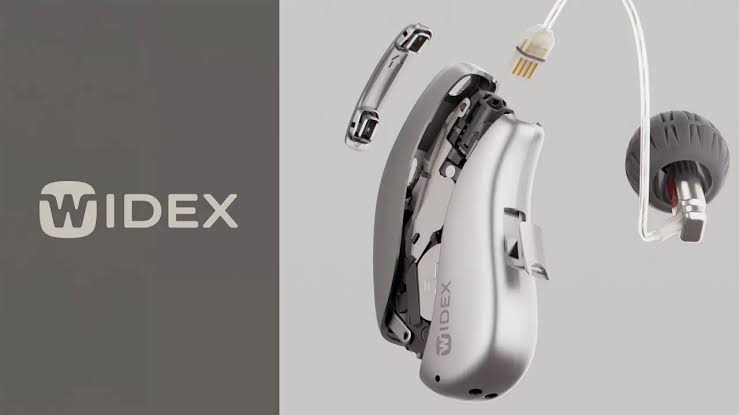
Then there’s Widex, out of Denmark. This is usually the brand people switch to after complaining that other hearing aids “sound fake” or artificial. Its whole approach to sound processing leans toward natural clarity rather than just cranking up amplification across the board. It also has something called Zen therapy built in, which is basically a tinnitus relief program — genuinely useful if ringing in the ears is part of what someone’s dealing with alongside the hearing loss itself.
Oticon
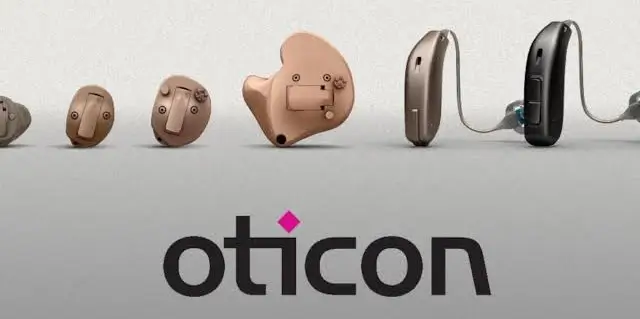
And Oticon, also Danish, rounds things out. Their thing is “brain-friendly” processing — the idea being it helps your brain naturally separate speech from background noise, instead of just amplifying every single sound in the room equally, which honestly is what makes cheap hearing aids so exhausting to wear in noisy places.
Figuring out which type actually fits you
This is where a lot of people get stuck, because honestly the type of device matters almost as much as which brand you pick.
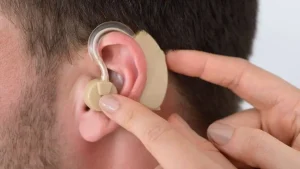
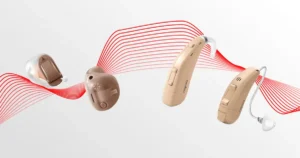
Moderate to severe hearing loss, or buying for an older parent who needs something simple to handle? Behind-the-Ear (BTE) is usually the move. Bigger, sturdier, easier to adjust with less-than-perfect fingers.
- Mild to moderate loss
- Receiver in Canal (RIC) tends to work well.
- Smaller, less noticeable, but still manageable day-to-day.
And if someone really just wants it to be invisible, Completely-in-Canal (CIC) sits almost entirely inside the ear canal. Just know these usually aren’t the right call if the hearing loss is more severe — they’re not built for that level of amplification.
What actually drives the price (and the performance)?
Two things, really.
First is channel count. A device with 12+ digital channels processes sound way more precisely — you’ll notice this the second you’re in a crowded market, a busy office, or a dinner table where five people are talking over each other. Basic 4-channel units, or the older analog stuff, just can’t separate speech from noise the same way. They sound flatter. More artificial, honestly.
Second is connectivity — rechargeable batteries, Bluetooth streaming, app-based volume control.
None of these things are absolutely necessary . But when a person has used it for some time , going back to the basic model really feels like a degradation ( decrease in quality). It is best to think about this from the beginning whether it is worth paying extra for these features .
Don’t skip the hearing test. Seriously.
This is the step people try to shortcut, and it’s the one that matters most out of everything on this list. Buying an unprogrammed, generic amplifier off a shelf — no audiometric test, nothing — almost never works out well long-term. The device just isn’t calibrated to the actual hearing loss pattern.
A proper test at a certified clinic (Lahore, Karachi, Islamabad all have several good options) maps out exactly where hearing drops off by frequency. From there, a licensed audiologist can program the device to match. This one step affects how well a hearing aid actually performs more than the brand name ever will. Book your hearing test at RCHI today. Click here to book a hearing test now.
So what should you actually buy?
It comes down to three things, really: how severe the hearing loss is, what the budget looks like, and which features actually matter day to day. Want the easiest local support and options across every price point? Signia’s hard to beat. Care more about durability and staying active? Phonak’s build quality makes sense there. After natural sound and tinnitus relief specifically? Widex is worth a proper look.